Mafava rituals

Mafava rituals are sacred ceremonies rooted in the ancient traditions of African, Caribbean, and Latin American magic. This term is often associated with rituals aimed at restoring energy balance, cleansing, protection, and attracting luck, love, or success. The word “mafava” appears in various interpretations and may be linked to practices from Vodou, Santería, Candomblé, and other syncretic traditions that blend African, Christian, and Indigenous elements.
These rituals are not “everyday magic.” They are deeply spiritual acts, often performed with invocation of spirits, ancestors, elemental energies, deities, or forces of nature. They require special preparation, a specific state of consciousness, and adherence to tradition.
Why Are Mafava Rituals Performed?
Mafava rituals serve a variety of purposes. Key areas include:
1. Cleansing
Purpose: Removing negative energy, curses, evil eye, and heavy emotional burdens.
Usage: After illness, stress, conflicts, breakups, or encounters with ill-wishers.
Methods: Smudging, spiritual baths, use of herbs, salt, eggs, candles, and ancestral spirits.
2. Protection
Purpose: Building an energetic shield, protection from magical attacks, envy, and slander.
Usage: When suspecting magical influence, during relocation, or starting a new life chapter.
Methods: Protective circles, amulets, masks, rituals with ashes, animal blood, and spirits.
3. Attracting Luck and Prosperity
Purpose: Drawing energy of success, wealth, victory, and realization.
Usage: At the start of new ventures, business, or changing jobs.
Methods: Invoking prosperity spirits, offerings (food, wine, tobacco), candle and money rituals.
4. Love and Relationships
Purpose: Attracting a partner, strengthening a bond, restoring a lost connection.
Usage: Love spells, rekindling affection, removing emotional blocks.
Methods: Doll magic (similar to voodoo), honey, blood, personal items, photos.
5. Ancestral and Spirit Communication
Purpose: Receiving help, guidance, ancestral power, and karmic cleansing.
Usage: During crises, spiritual searching, or illness.
Methods: Building altars, offerings, ritual dances and chants, trance states.
Key Elements of Mafava Rituals
-
Altar (Eshu, Ogun, Yemaya, etc.): A sacred space for conducting the ritual.
-
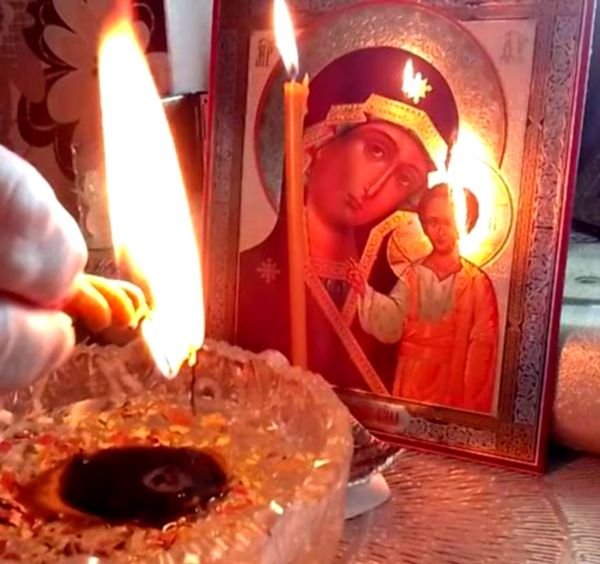
Candles: Their color and number matter — red for passion, black for destroying evil, white for purification.
-
Herbs and Spices: Rosemary, basil, chili, and coriander are used to amplify energy.
-
Blood and Food: In some traditions, sacrifices or offerings are made to spirits.
-
Music and Rhythm: Drums, chants, and dances are used to enter trance and connect with the spirit world.
-
Ritual Timing: Often performed during specific moon phases, days of the week, or astrological moments.
Types of Mafava Rituals
? Fire Mafava
Working with fire, candles, bonfires.
Goals: Cleansing, destroying negativity, transformation.
? Water Mafava
Using springs, rivers, oceans, and spiritual baths.
Goals: Washing away misfortune, purification, attracting love.
? Earth Mafava
Working with herbs, ashes, dust, crystals.
Goals: Grounding, protection, stabilization.
? Air Mafava
Using scents, incense, breathing techniques.
Goals: Mental clarity, spiritual communication.
? Night Mafava
Performed after sunset, often during waning or full moon.
Goals: Shadow work, curse removal, subconscious exploration.
? Day Mafava
Focused on positive goals — luck, success, strength, health.
Mafava rituals are powerful practices that can profoundly shift a person’s energy, unlock spiritual potential, and remove obstacles. They are more than just magical acts — they are a form of communication with the spirit world, with Power, with the Source.
It’s essential to approach such rituals with respect, caution, and inner readiness. They are best conducted under the guidance of an experienced practitioner or after serious study of the tradition.